Project report: A creative club that became a lifeline
Community Resilience Fund Grantee: Institute for Democracy, Moldova
Project: To help Ukrainian refugees and Moldovan residents find stability through art
A three-month initiative entitled “Creative Club for Adaptation and Community Cohesion”, supported by the The BEARR Trust, has concluded in Moldova. Its mission was simple yet vital: to help people who have lived through war, stress, and forced displacement regain a sense of safety and emotional balance – through creativity, communication, and a welcoming space.
From the very first meetings, it became clear that the club was becoming more than just a series of workshops. Participants described arriving “exhausted and anxious,” but gradually the warm and attentive atmosphere turned the club into a haven – a place many called “a tiny island of peace” or even “a lifeline.” “While creating something with our hands, we finally felt calmer and more confident,” one woman declared. Another participant, who came to Moldova with two children, explained: “I haven’t had a quiet moment for months… And here, for the first time, I could simply sit and do something for myself.”
How the funding was used: comprehensive support from start to finish
The BEARR Trust funding covered all essential needs – from communications and logistics to high-quality materials for creative practices. Organisers emphasise that even small details played a meaningful role: regular invitations, reminders, and warm, encouraging messages before sessions helped participants feel noticed and cared for.
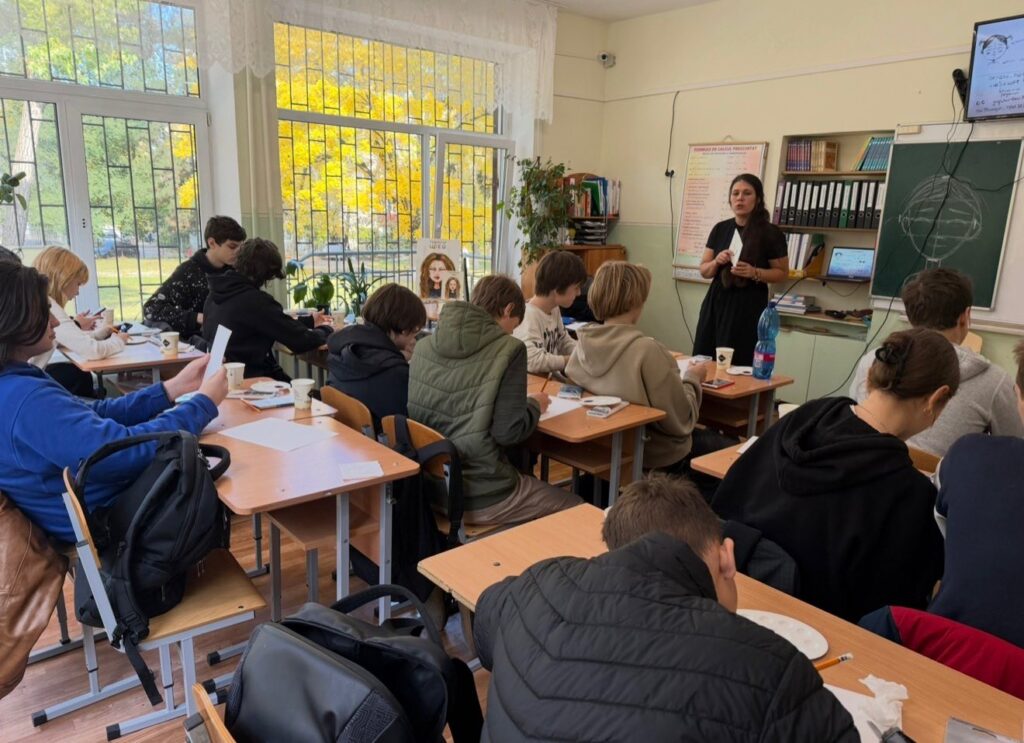
Small coffee breaks unexpectedly became a therapeutic highlight. “For people dealing with anxiety, those 30 minutes of warmth, tea and sweets were a moment of breathing and safety,” the team explained. The creative materials – pencils, paints, brushes and textured paper – were selected with therapeutic value in mind. The organisers of the project noted that calm colour palettes and pleasant tactile elements significantly enhanced participants’ emotional relaxation.
The project reached 118 people: Ukrainian refugees and Moldovan residents, including members of ethnic minority communities. Among the 65 Ukrainians 68% were young people, 20% women with children, 12% older adults, and 7% participants with disabilities. Fifty-three Moldovan residents also joined, most of them young people who played a crucial role in building bridges and creating an atmosphere of trust.
Creativity as a bridge: why the joint format proved essential
The project was designed from the beginning as a fully joint initiative – refugees and local residents worked side by side in every activity. This approach aligned with contemporary international recommendations on refugee integration and proved highly effective in practice.
Shared creative experiences strengthened social cohesion, reduced tension between groups, and helped dismantle stereotypes. Direct, face-to-face contact made it easier for participants to understand one another, reducing fears and preventing social isolation. The ‘equal participants’ format was especially important: no one felt like a passive recipient of help – everyone contributed to the shared process.
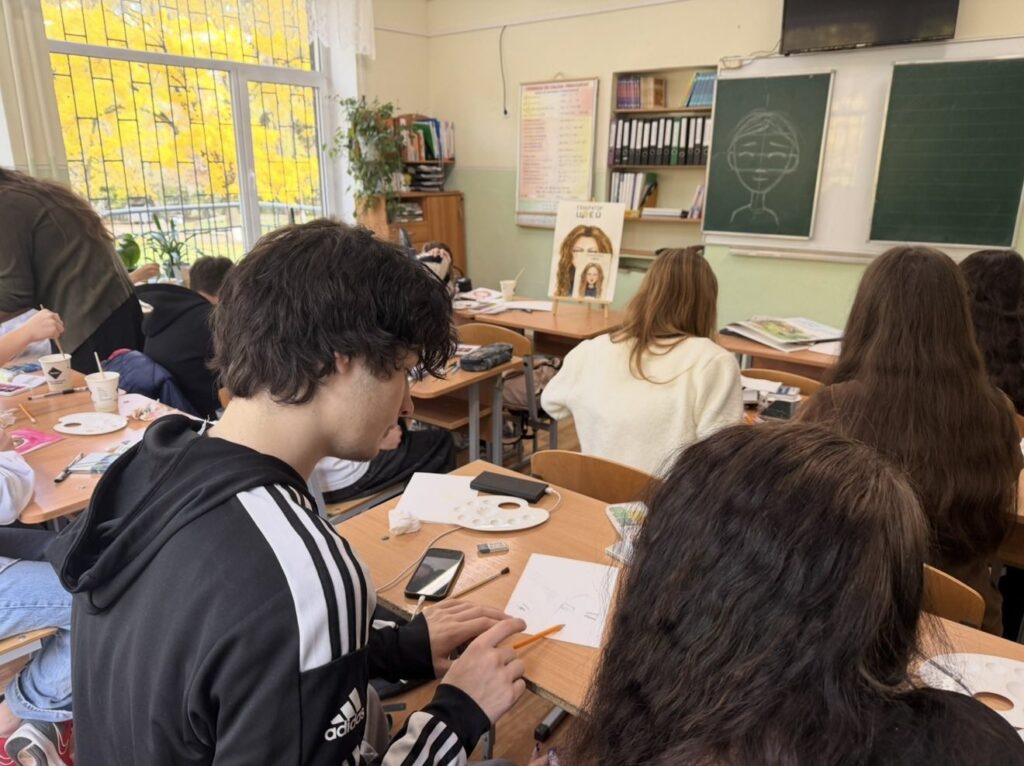
Artistic and educational activities helped reduce stress and rebuild emotional resilience. For refugees, the sessions offered a sense of support and growing confidence in their new environment. For Moldovan residents, the workshops became a meaningful way to support peace and mutual understanding in their own communities.
Stories that stayed with the team
One of the most touching stories involved a young woman with a visual impairment. Despite the challenges, she drew actively, experimenting with new techniques and inspiring other participants. “She showed us that creativity unites people regardless of limitations,” the organisers recalled.
Many women felt that the meetings became “a place where we are understood, where we can finally breathe out.” Others said they “wanted to develop again,” “found new friends,” and felt truly connected to the local community.
For mothers with small children, the team set up a separate child-friendly space. The kids quickly bonded, often serving as an example for the adults. While the children played and painted together, their mothers were finally able to participate fully and receive much-needed emotional support. Several women discovered they lived close to one another and planned to stay in touch beyond the project.
Overcoming challenges and ensuring safety
Like any social initiative, the project faced difficulties. Many refugees were initially hesitant, afraid of new contacts or emotional triggers. The organisers introduced gentle adaptation techniques: individual conversations, ‘getting-to-know-you circles’, music-based warm-ups, and simple creative tasks. Gradually, the barriers faded.
Safeguarding standards were strictly followed: informed consent was obtained for photographs, teenagers’ faces were not filmed, data was securely stored, a psychologist remained available on site, and staff monitored signs of emotional distress.
A warm conclusion: calmer, more confident, and closer to one another
The most important outcome of the project was emotional: people of different ages, backgrounds, and life stories became calmer, more confident, and less alone. Through creativity, they learned to listen to each other and build trust – something that no amount of funding can guarantee on its own.
The project has ended, but organisers hope its impact will remain. The new connections, the regained sense of stability, and the habit of supporting one another have already become a foundation for a more resilient and peaceful future.
Contact
Andrei Borsevski
Phone: (+373) 67161050
Email: id.moldova@gmail.com