Project report: Team Unity, bringing communities together
SGS 2025 Grantee: NGO New Generation, Obukhiv, Ukraine
Project: ‘Team Unity’: integration of young IDPs
The project examined how grants can initiate social change and influence the social environment of a community through the practical experience of Team Unity, implemented with the support of The BEARR Trust.
When the NGO New Generation was forced to relocate from the temporarily occupied Luhansk region in 2024, this was not simply a move. It marked the beginning of rebuilding life and work from the ground up. Obukhiv is a city with a population of just over 32,000 people, located approximately 40 kilometres from Kyiv. This close proximity was one of the key factors shaping the city’s specific social climate. Over time, a strong local stereotype had taken hold: “everything interesting and promising happens not here, but in Kyiv,” and young people seeking events, opportunities, and self-realisation often look to the capital.
Entering this environment, the New Generation team found itself in a kind of social vacuum. The organisation actively sought partnerships, connected with local initiatives, and communicated with community representatives, but at the same time encountered inertia and low levels of initiative. This contrast was particularly noticeable because the organisation had come from a peripheral community in the Luhansk region, where energy and ideas were traditionally generated from within the community itself. In Obukhiv, the team had to begin with very basic steps: taking part in all available activities, talking to people, building connections, and acting consistently.
At this point, the grant under the BEARR Small Grants Scheme was a decisive catalyst for change. It not only provided financial resources for the implementation of the Team Unity project; it also brought public attention to the organisation. In the local context, a simple but powerful perception emerged: if the work of a small civic organisation is recognised through an international grant, particularly from the United Kingdom—a country held in high trust and respect in Ukraine—this is seen as confirmation that the organisation is engaged in genuinely important work. In this way, the grant became not only a resource, but also a marker of trust.
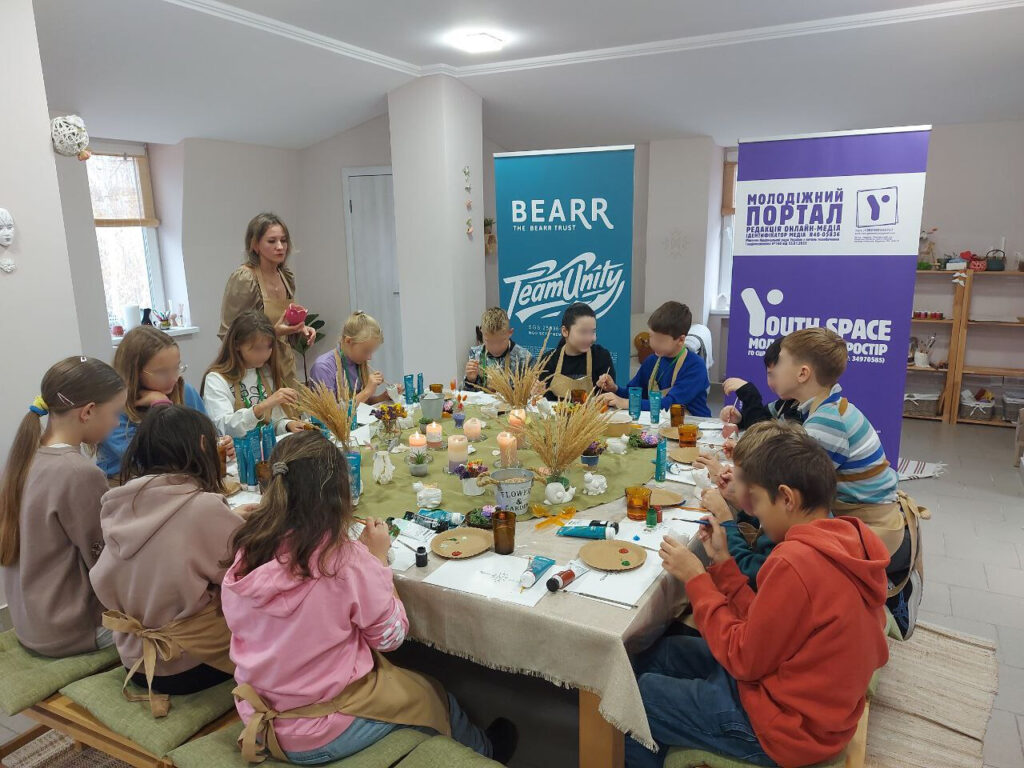
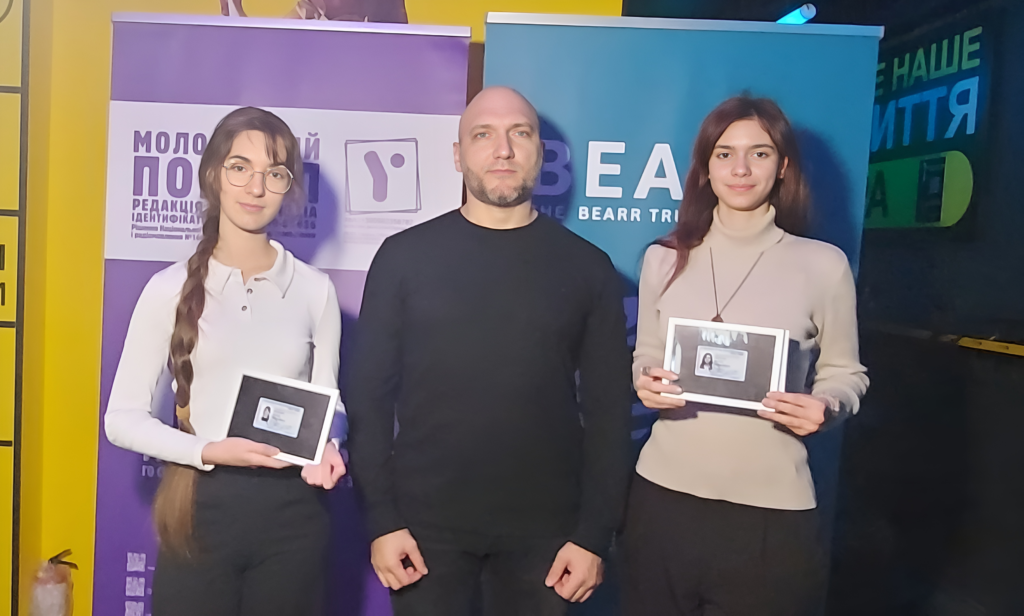
The Team Unity project focused on bringing together children and young people from internally displaced families and the host community through shared activities. Educational meetings, teambuilding sessions, everyday environmental initiatives, and gaming were combined with digital tools and elements of gamification. Participants formed mixed teams, regularly changed group composition, collaborated with new people, and gradually dismantled the division between “locals” and “newcomers.” Particularly illustrative were the stories of two 16-year-old girls, Maria Losieva and Iryna Shkoliar, who became captains of large combined teams.
Maria, a local resident of Obukhiv, recalls: “I came to the project simply because I was bored. But the atmosphere was so lively that before I realised it, I had been made a team captain. I had to take responsibility—and I liked it.” Maria went on to coordinate the city gaming tournament, which became the project’s final event.
Another participant, Iryna Shkoliar, an internally displaced young person, chose a different direction: “It was important for me to do something useful for the city and for people. I also really love nature, so the environmental activities felt very close to me.” She led a battery-collection initiative in which participants designed and built collection boxes themselves and installed them in residential buildings across Obukhiv. Notably, even after the project ended, residents of some buildings continued to collect batteries independently and bring them to the organisation’s office— an accurate indicator of lasting change.
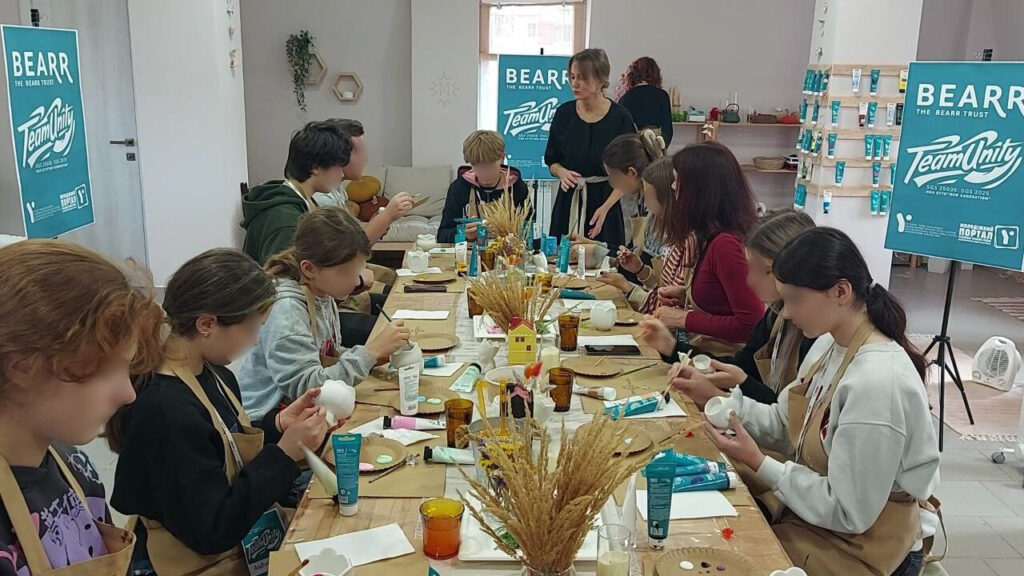
The project directly engaged around 150 participants in its activities, while online publications related to the project reached approximately 24,000 views. Local partners included the Council on Internally Displaced Persons of the Obukhiv City Executive Committee and three local non-governmental organisations. A Team Unity smartphone application was developed to support participation in project activities, and a methodology entitled “Organisation of Data Collection and the Use of Digital Monitoring in Grant Projects” was created and later published on the national educational platform VSEOSVITA.
Ultimately, the grant from The BEARR Trust became an instrument of social transformation, initiating a chain of change, restoring young people’s confidence in their own abilities, and demonstrating that a city can become a space of its own energy, action, and future.
Contact
NGO New Generation
Obukhiv, Ukraine
scrm.new.generation@gmail.com
https://youth-portal.com.ua
https://www.facebook.com/scrm.generation/


