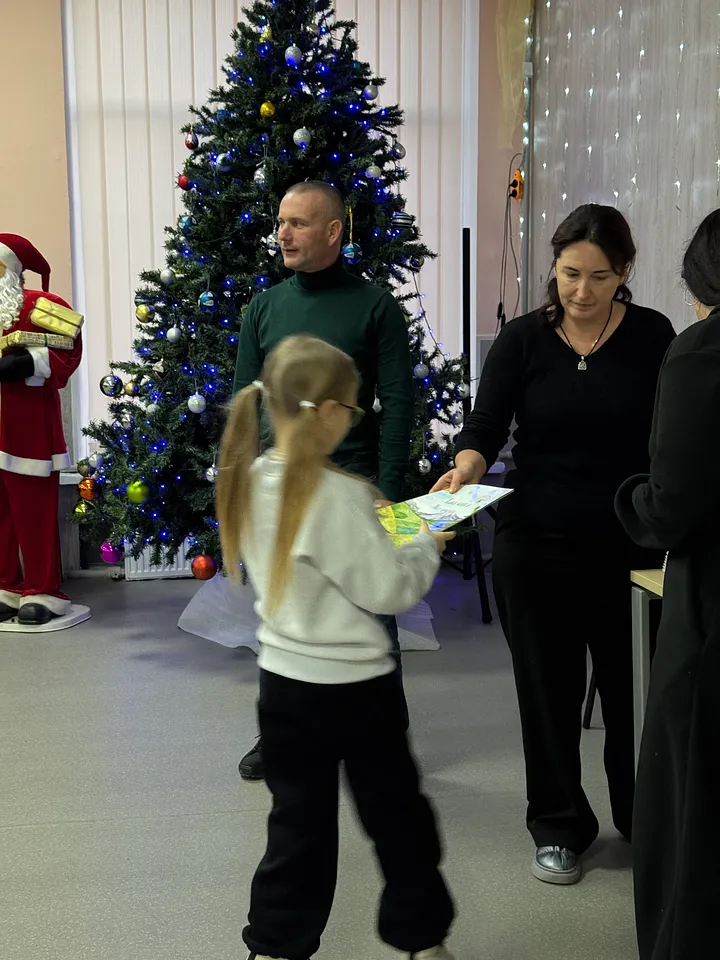
How BEARR has helped communities around Kharkiv
Blogger and Ukraine supporter Anna Bowles interviewed the head of one of BEARR’s partner organisations in Ukraine and published this on her Substack Anna Talks Ukraine with the heading “Kharkiv City Boxing Club.” We’re sincerely grateful to Anna for taking the time to speak with our partner and share their story.
Here is the interview with Ivan.
Kharkiv City Boxing Club does not actually do boxing now, though there are some boxers actively involved. It’s one of the city’s most established and productive home-grown humanitarian NGOs.
Twenty-seven-year-old Ivan Vostroknutov is a boxing champion and prolific humanitarian. It’s not an obvious combination until you think about the role of sport in the lives of vulnerable young people.
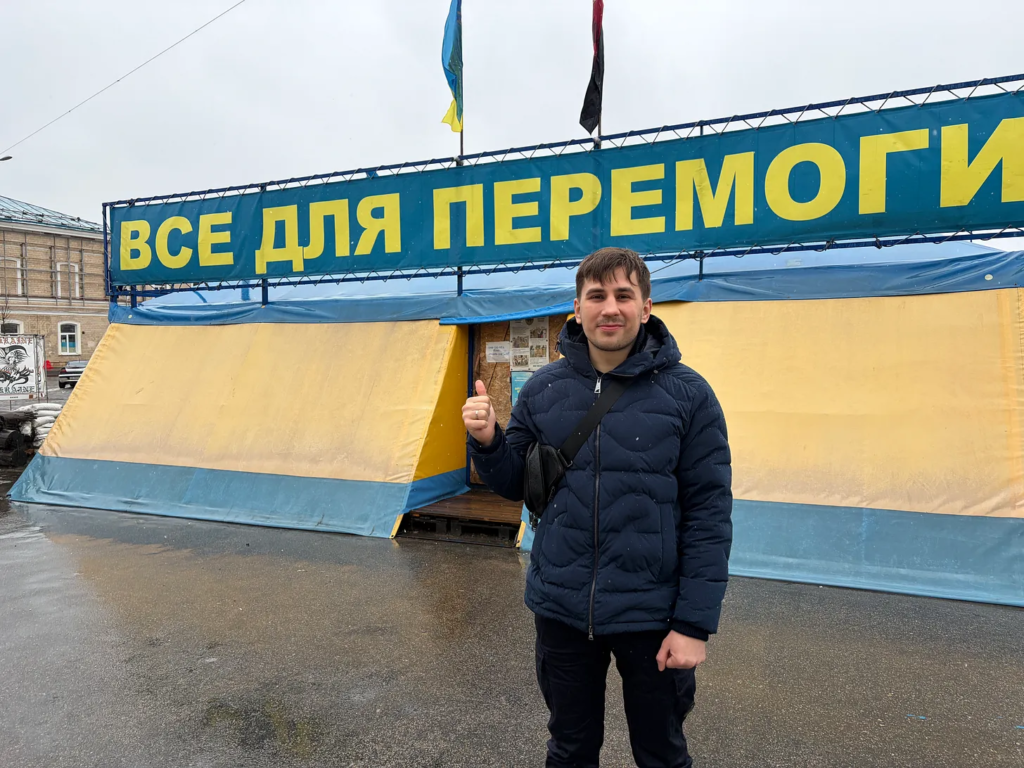
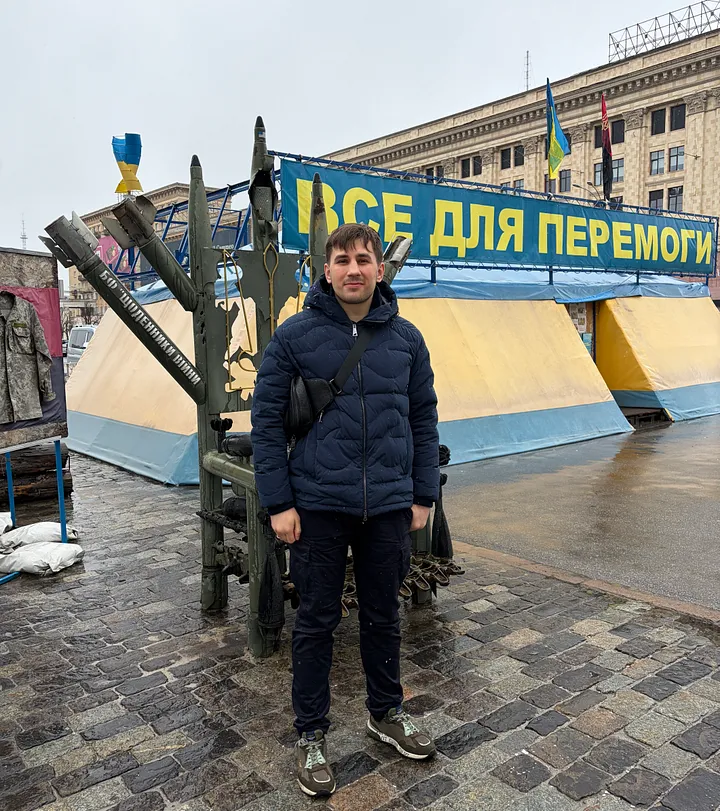
As we met in Kharkiv’s central square, I couldn’t resist asking him to strike a cheesy pose in front of the Victory Tent (more on that later). They are both, to date, indestructable, but also rather damp on this occasion. We repaired to a nearby coffee shop for the interview.
THE WORK
Why the name Kharkiv Boxing Club?
I love Kharkiv and I’ve lived here all my life. [After the full-scale invasion] I wanted to do something for my beloved city, so a group of my friends created a charitable organisation named Kharkiv City Boxing Club.
Boxing Club is just a name. When we originally were founded, more than half of the NGO members were from the club where we trained before the full-scale conflict. Now, two or three members are boxers, including myself, but the name is hard to forget. Some of our partners suggested we change it to something more NGO-targeted, like, Help Civilians 2022, or Kharkiv Help. We decided not to do it.
What work do you do?
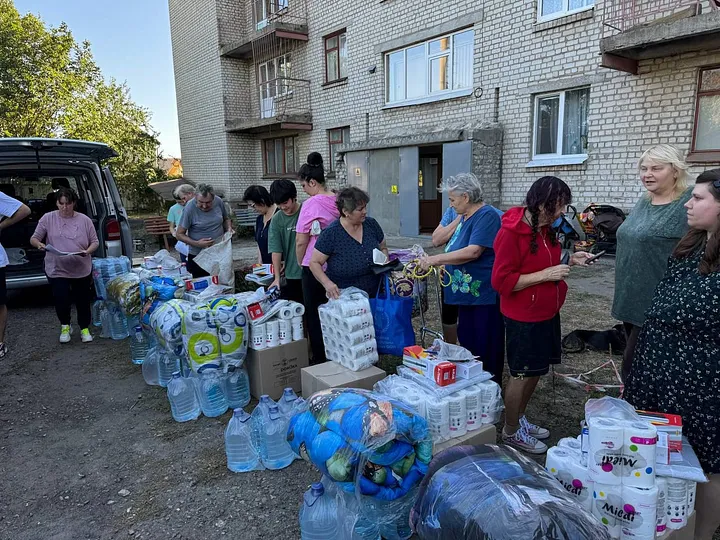
We provide various types of assistance to civilians. The four main directions are basic needs assistance, psychological assistance, reconstruction works, and public events. When we started, we decided to join the United Nations OCHA [Office for the Coordination of Humanitarian Affairs]. We learned all the rules and procedures. What we call basic needs, other NGOs call by different names. But we mean every type of assistance: from water to hygiene kits, from food to firewood, to solid fuel, liquid fuel.
How do you determine need and identify recipients? Do you talk to the local starosta [headman/woman]?
First of all, we check the information from some coordination mechanisms, like UN information, or information from local coordinators like the Relief Coordination Centre. After that, we contact the local authorities and starostas. Then we need to talk to the locals and double check every piece of information.
We never bring assistance just to the administrative building and ask them to distribute, because there have been cases with other NGOs where the results were, well, not as good at they should be. We try to talk to local representatives from different types of population. Men, women, young, old, you know.
We understand that resources are limited and they get less and less day by day[…] So we prioritise according to our vision of the situation and region, added to the global strategy from the OCHA. So, we have some priority regions: de-occupied territories, pre-frontline territories.
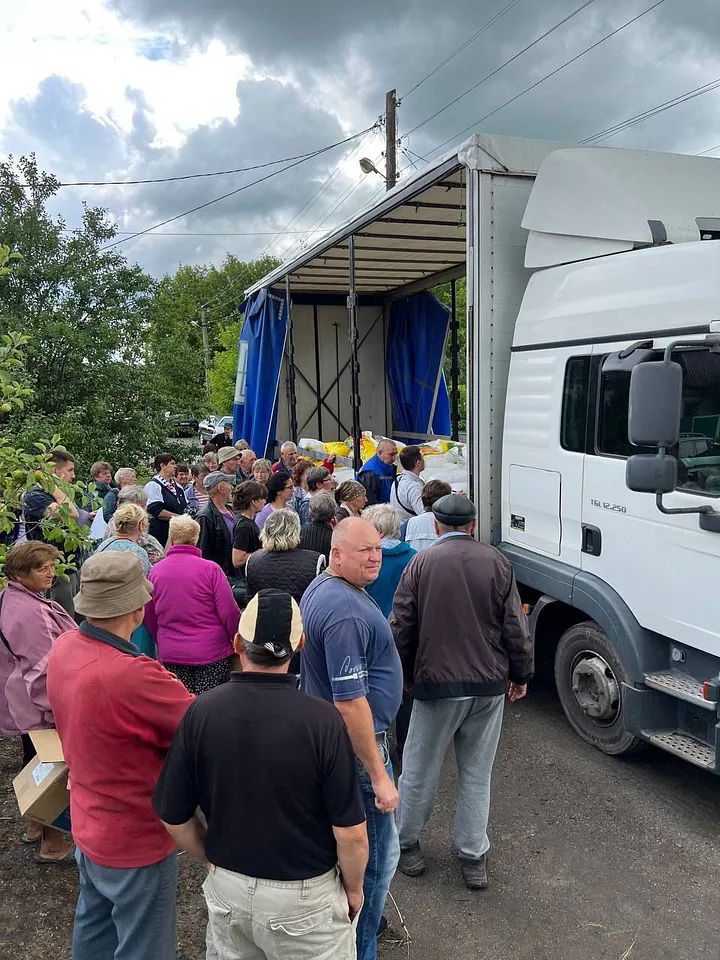
Also, we have the statistics that we collect: which territories are better supplied with humanitarian assistance, which less. For example, the Russians have reported that they occupied Kupiansk three times, but really it was liberated in 2022 and after that never fully occupied. The Russians lost thousands of soldiers there, and they continue trying to take it. But in Kupiansk district, there is a highly populated village named Shevchenkove. Its population has increased since the beginning of the full-scale conflict. And according to the priority system, they are highest priority, because they are in Kupiansk region. So all the NGOs try to help Shevchenkove and they are over-equipped.
If you ask the locals in any village or town, even in Zakarpattia, even in western Ukraine, do they need any assistance? They will reply, yes. It’s understandable. Everyone is stressed because of the war and life is getting more and more expensive. And almost no one wants to say no to something for free. So it’s necessary to coordinate with other organisations and avoid duplication.
Most grassroots organisations don’t have much good to say about the UN but it sounds like you managed to work with them.
They are large, they are multisectoral, they are slow. It’s understandable why they are slow. However, if you need up-to-date information… you can’t just coordinate with UN structures […] We don’t have strict rules like international NGOs have, like not going anywhere less than 20 km from the front line. We implement projects at 3 km to the front line but we check the information from different points of view before every action. Because, of course, we need to take care of our workers and volunteers.
So you haven’t lost any volunteers?
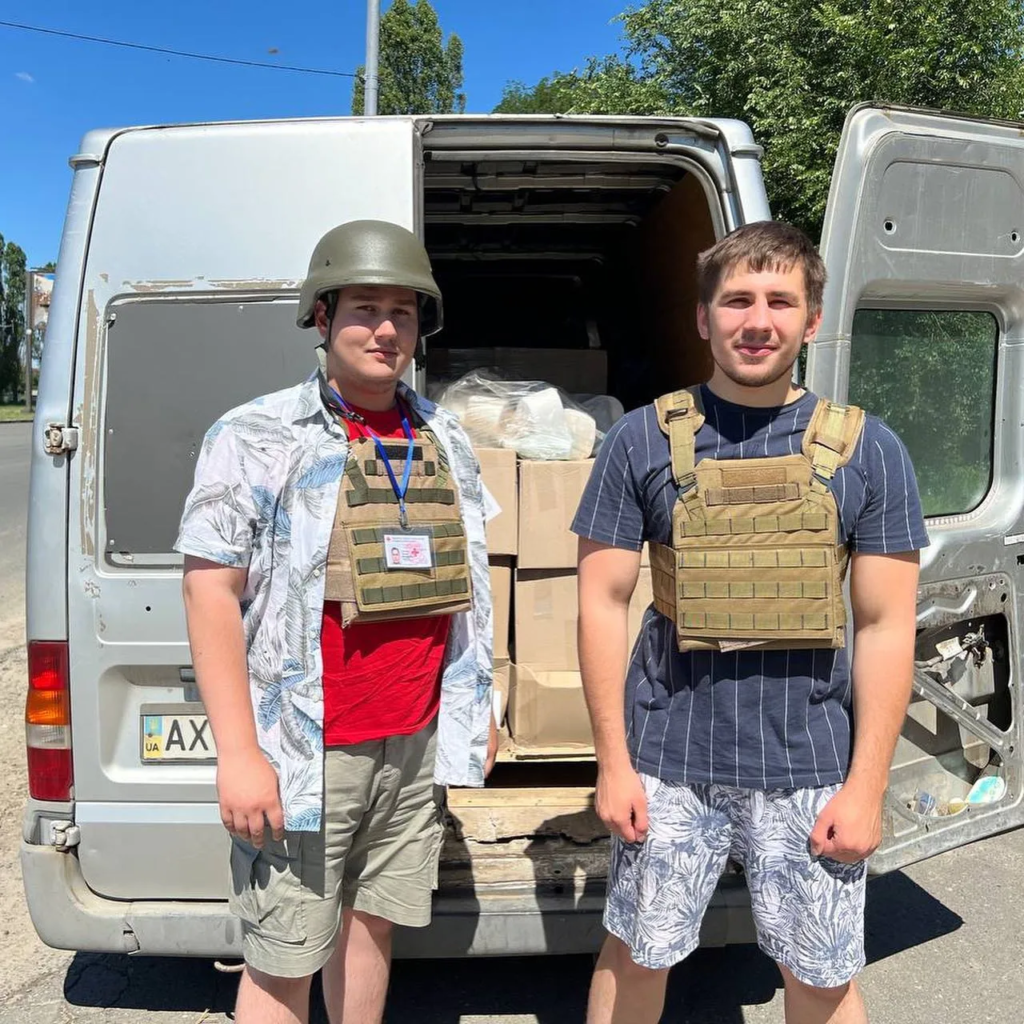
Thank God, no. Some were hurt in 2022 and 2023. We use bulletproof vests and helmets.
Which Western organisations have you worked with successfully?
The BEARR Trust. Also, we’ve had a good experience with the French group Triangle Génération Humanitaire, Solidarités International, Medair, Helvetas and Acted. We’ve got a nice portfolio of lots and lots of different projects. But talking about strong partners who are with us for years, then The BEARR Trust. We do implement small projects [with them] but we implement them regularly. We help thousands of people together.
BEARR are great because they don’t have lots of bureaucracy. We understand why lots of bureaucratic rules have appeared. They weren’t created because someone was bored. There are reasons. But implementing some projects with other donors… the systems of approval are so complicated, for example to buy some print cartridges for say $20, and one request took eight forms to get approval for spending $20.
Maybe it works when it’s about $20 million. But if it’s about $20, it’s overcomplicated, I think.
Can you give me specific examples of BEARR projects?
Multiple basic needs projects. Bringing, hygiene, water, so on, so on, for different types of beneficiaries, for households, for families, for individuals, for collective centres. In the past we did some evacuations. Also mental health projects. We are implementing a project to help children and teenagers to stabilise their psychological health. We’ve interactive books that we distribute together with psychotherapy sessions and training. Multiple projects and they are successful. I can say only thanks to them, because they are staying with us and they are staying with Ukrainians.
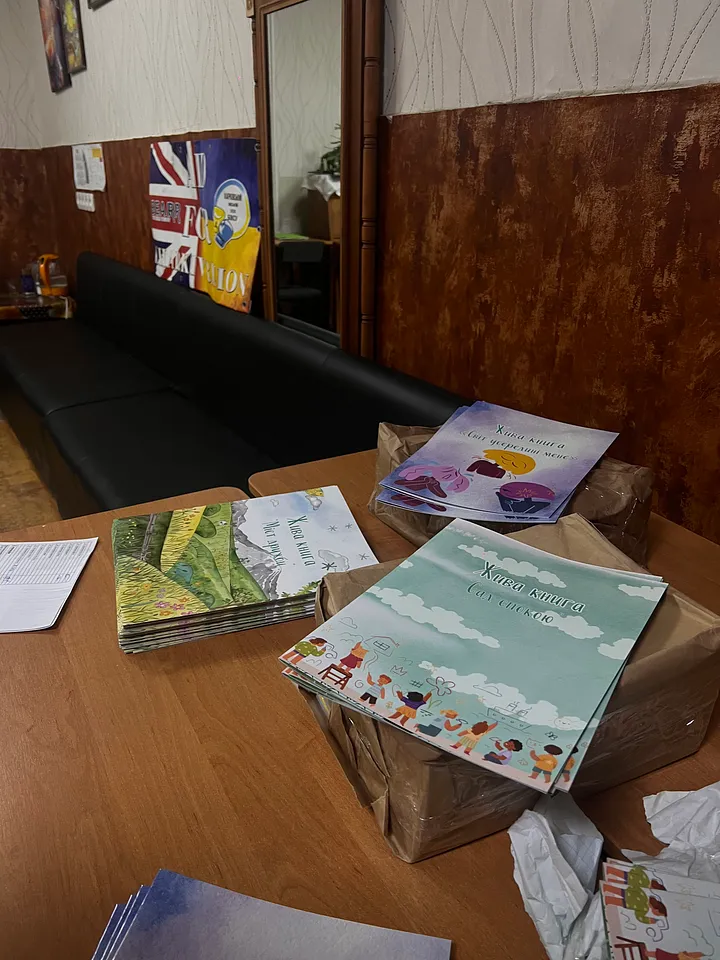
Otherwise… We are planning a project with the Ukrainian Humanitarian Fund, it’s not entirely approved yet, but it’s what’s needed here and now. Assistance for those who evacuate and stay in transit centres. We plan to help with psychological assistance and other kits [which are to be confirmed]. They stay in the transit centre for a couple of days or weeks, then they continue the evacuation process until they reach the point of registering as IDPs.
THE TENT
For those who don’t know, I got Ivan to explain this famous Kharkiv landmark…
Ivan: It’s about twelve years old. When the first hostilities started in the Donbas region, when Ukrainians first heard about the Russian invasion, the tent was put up [as a symbol of resistance].
In late 2010, the mayor of Kharkiv, Hennadiy Kernes, who was loved by a lot of Kharkiv citizens, wanted to remove it. Because, being honest, according to the rules, the main square is not the place for a military tent. But the city council decided, and the mayor agreed, that while the war continues, there is no need to remove the tent.
It would be very bad luck to take down the victory tent!
For sure!
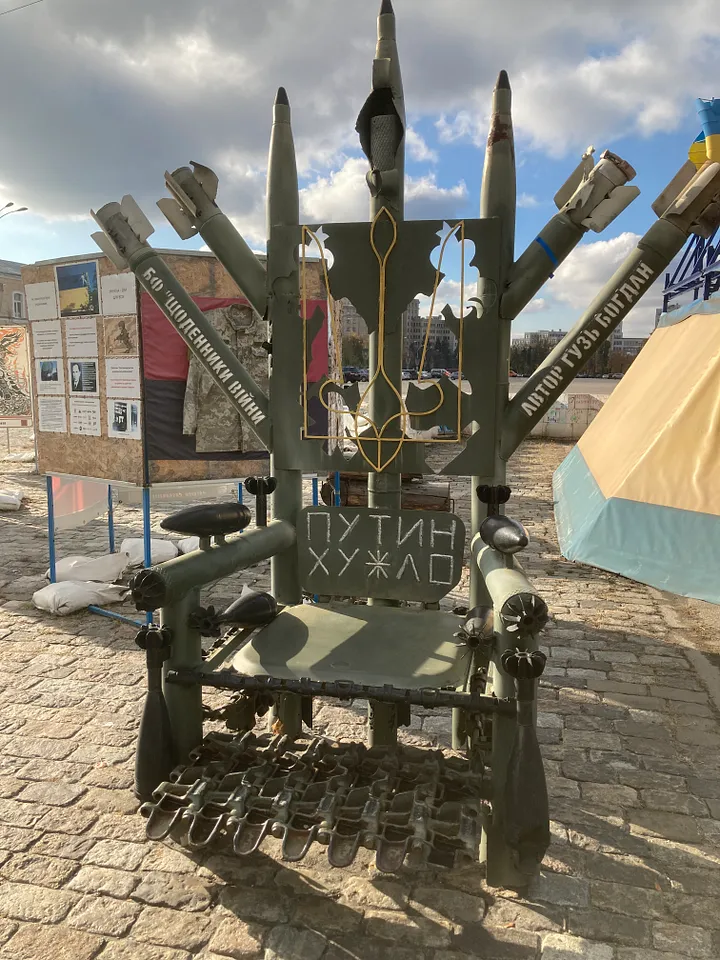
Of course, the burning question is… what does it contain? Sadly it’s sealed these days. But during the early days of the full-scale invasion, it acted as a volunteer hub, with free food and advice offered.
THE MAN
You’re twenty-seven years old, meaning the war started before you became an adult [i.e. 2014, the invasion of Donbas).
The situation in the world has always been unstable, but the generation that was born in the fifties and later, they were just lucky not to see any big wars except the Yugoslavia war.
In Ukraine, no one cared. They heard about it, but there was no internet, little information. And maybe I’m lucky because my childhood and my teenage years were before the full-scale war.
But my son is two years old, he goes to kindergarten, and he does not understand the situation in the country. He doesn’t understand what war is, what’s going on, and even when he hears noises from explosions, we tell him that a book was dropped, something like that.
But a couple of weeks ago he came home and started playing a game he called Shelter. He took his toys and went to [hide in] some part of our flat, repeating the things that they do in kindergarten. It was about a week ago, when the Russians started sending shaheds during the daytime, about fifty shaheds a day.
We try not to think about it, but if we start abstract thinking, it’s awful. He’s two years old. He should be playing Doctor, Driver, Policeman. Not Shelter.
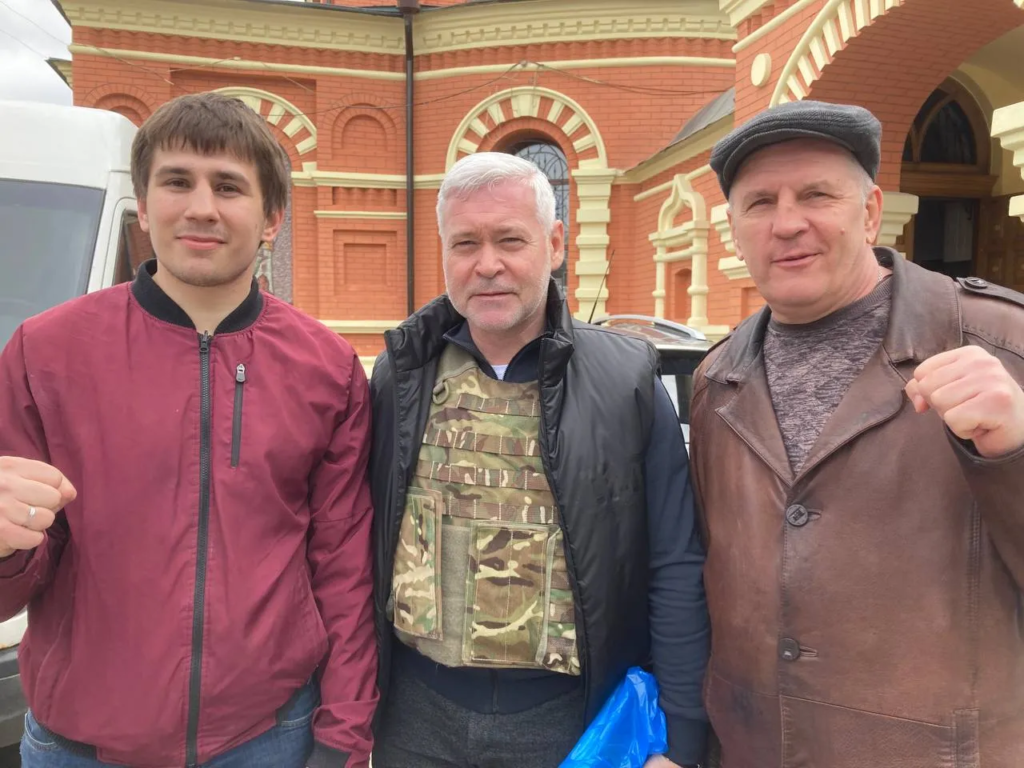
Ukrainians are still having children. Russia wants you to stop, therefore you keep having them!
They are unsuccessful. Because we continue living and we hope to bring a good future to this country. My generation, the young generation, we understand the current situation, and the complications there will be after the war. And we try to decrease the potential damage to civil society.
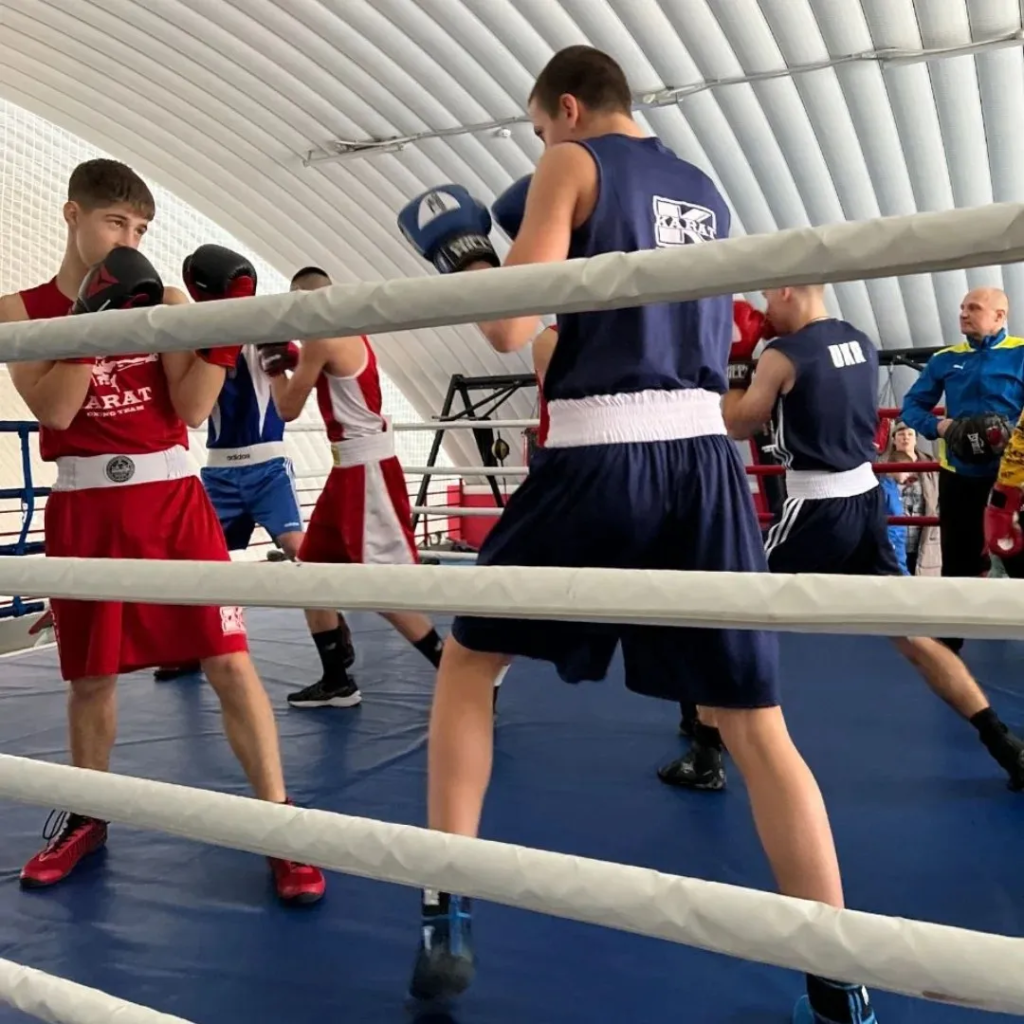
One of the club’s main directions now is sports activity, because we need to encourage young people, children, teenagers, young adults, to do sports to heal their nervous system, to make them healthy physically, and to decrease the level of crime.
Because in the territories with high level of stress, war, and no sports, it’s obvious, and scientific studies show, that the crime level increases. Going back to 1946, 1947, after World War II ended, there was a massive increase in crime in the Soviet Union.
The danger is here. Even though the war isn’t over yet, we see in the news people doing awful things in cities. We don’t want that to increase. I don’t want Kharkiv to become a crime city because of unstable people. That’s why we do work providing mental health assistance and encouraging people to do sports. Because sports decrease your level of stress and use up energy that otherwise could go to crime.
How have you yourself not burned out after four years of this?
I have. But my family helps me to recover. I don’t remember who, but someone who was in a concentration camp in World War II said that the people who thought it would end soon collapsed. Then those who thought it would never end collapsed. Only the people who tried not to think about it survived.
It’s our reality. I pray every day for this war to end and for victory to come through military or diplomatic means. But we need to survive. We need to continue being an independent healthy country, being in European society, not the military hell that Russia is now.
And I pray for it, but I do not ask myself every day, Will it end today? No, it will not. I just think, ‘Well, today we need to distribute some things, and have some meetings, and after that, if there’s no power outages I’d like to go to the swimming pool.’ Something like that!
You’ve mentioned praying a few times. Is religion becoming more popular in Ukraine as a result of the war?
I think it is. I was a religious person even before the war. Not a fanatic, but I believe in God and I believe that He helps people that try to be kind.
And I know some examples where atheistic people became… not religious, but they were like, ‘Hmm, I think there is a God.’ Like, my best friend that works with me in our NGO, his leather jacket was damaged by a part of a drone that exploded a few steps from him. He wasn’t injured, just his jacket was damaged. He was, ‘Oh, thank you, God!’


